Lysine is an essential amino acid, meaning the body cannot synthesize it and must obtain it from food or supplements. Lysine is needed for protein synthesis and contributes to collagen formation and carnitine production. Lysine supplements are also widely used by people prone to recurring lip sores. This guide explains what lysine does, where to find it, how it has been studied, and how to use it safely.1,2,3
What is lysine?
Lysine (also called L-lysine) is one of nine essential amino acids. Along with the other essential amino acids, lysine provides a building block for the body's proteins, including collagen, enzymes, antibodies, and peptide hormones. Lysine also serves as a precursor to carnitine, which helps transport long-chain fatty acids into mitochondria for energy production.1,2
What foods are high in lysine?
Lysine is most concentrated in high-protein foods: meat, fish and seafood, dairy, soy, and nuts and seeds. Legumes (lentils, chickpeas, beans) are the richest plant sources.
Lysine Content by Food (per 100 g)
| Food |
Lysine per 100 g
|
|---|
Beef (skirt steak, cooked) | 3,305 mg |
Chicken breast (cooked) | 3,083 mg |
Pork chop (lean, cooked) | 2,757 mg |
Tuna (cooked) | 2,747 mg |
King crab | 1,684 mg |
Ricotta cheese (low-fat) | 1,353 mg |
Firm tofu | 883 mg |
Navy beans (canned) | 527 mg |
Green peas (cooked) | 314 mg |
Milk (skim) | 282 mg |
Source: United States Department of Agriculture FoodData Central.
Grains generally contain less lysine than legumes and animal proteins. A cereal-heavy diet that contains little legume or other high-quality protein may therefore provide inadequate lysine even when it supplies enough total calories. When overall protein intake is low, the better strategy is usually to improve total protein quality with complementary foods, a complete protein source such as whey, or an essential amino acid blend, rather than adding lysine alone.1,5
What is lysine good for?
Beyond its fundamental role in protein synthesis, lysine has several specific functions and areas of research:
Collagen Formation
Selected lysine residues in collagen undergo hydroxylation and other modifications that help stabilize collagen fibrils and cross-links. This biochemical role does not establish that supplemental lysine improves the appearance of healthy skin in people who already consume enough protein.2
Calcium Utilization
A small open-label study in people with reduced bone density found that calcium lysinate produced higher measured calcium bioavailability than calcium carbonate or calcium citrate malate. Because the study tested a calcium salt rather than lysine alone, it does not show that lysine supplements independently strengthen bones.6
Carnitine Production
The body uses lysine-derived trimethyllysine to synthesize carnitine. An older human metabolic study confirmed conversion of lysine to carnitine, but this does not mean lysine supplementation routinely raises energy or athletic performance.7
Occasional Stress
Animal research suggests lysine may interact with serotonin 5-HT4 signaling. Two human studies reported improvements in stress-related measures, but one used food fortification in a population with low lysine intake, and the other combined lysine with arginine. These findings are preliminary and do not establish lysine as a treatment for mood disorders.8,9,10
How Strong Is the Research for Each Claim?
Claimed benefit
| Research strength |
|---|
Reducing stress-related lip sores | Strong. But results vary by dose and study design |
Supporting collagen formation | Moderate. Established biochemical role; limited evidence for added benefit from supplements |
Improving calcium absorption | Moderate. Limited evidence involving calcium lysinate, not lysine alone |
Supporting carnitine synthesis | Moderate. Established metabolic role, but clinical benefit from supplementation is uncertain |
Reducing occasional anxiousness | Limited. Preliminary evidence from small studies is encouraging |
Weight management | Limited. No persuasive human evidence |
Building muscle / exercise recovery | Limited. Insufficient direct human evidence |
What does the research say about lysine and stress-related lip sores?
Lysine is best known as a supplement for lip health. Laboratory research found that immune challenges affecting the lips depend on several amino acids, including arginine, and later research proposed that lysine could antagonize arginine. Because much of this effect depends on lowering arginine levels relative to lysine, lysine supplementation alone, without also limiting high-arginine, low-lysine foods, has produced inconsistent results across double-blind trials.11,12
To optimize your lysine-to-arginine ratio, focus on high-lysine foods like Greek yogurt, cheese, tuna, chicken, fish, eggs, and milk. Conversely, limit your intake of arginine-rich foods and products, including chocolate, peanuts, walnuts, sunflower seeds, sesame seeds, gelatin, and standalone L-arginine supplements.
When lysine supplementation was combined with a low-arginine diet, results were more consistent. For example:
- In a six-month double-blind study of people with recurrent lip sores, lysine was rated effective or very effective by 74% of participants, versus 28% on placebo, with fewer recurrences and faster healing.3
- In an 8-year follow-up study, 500 mg/day of lysine combined with arginine restriction produced a 63% reduction in annual recurrences of lip sores and a 49% reduction in healing time in the first year; participants increased to 3 g/day at the first sign of a new outbreak.12
Lysine is a supplement with reasonable clinical support for reducing frequency and shortening the healing time of lip sores, and with best results being observed when lysine supplementation is at a dosage of at least 1,000 mg per day and is paired with dietary arginine restriction.3,12,13
Who is most likely to have low lysine levels?
Lysine deficiency is uncommon in people who eat a varied diet with adequate protein. Intake may be low when total protein intake is inadequate or when a diet relies heavily on grains with few legumes, soy foods, or other lysine-rich proteins. In a 2025 analysis of 193 long-term vegans in New Zealand, estimated lysine adequacy declined substantially after researchers adjusted for true ileal digestibility, making lysine one of the more limiting indispensable amino acids in the diets studied.5
There is no simple symptom checklist that can identify low lysine intake. Signs such as fatigue, impaired growth, loss of lean tissue, or slow recovery are nonspecific and may reflect inadequate energy or protein intake, illness, or another nutrient deficiency. Anyone concerned about amino acid adequacy should see a health care provider to help assess total dietary protein and overall diet quality.
How much lysine should you take, and how much is too much?
The Institute of Medicine's Dietary Reference Intakes place the adult lysine requirement at roughly 30 mg per kilogram of body weight per day, about 2.1 g/day for a 70 kg (154 lb) adult. Needs rise somewhat during pregnancy and breastfeeding (to roughly 51–52 mg/kg/day).
There's no strong evidence that timing relative to meals matters for absorption. Lysine can be taken with or without food, and daily use at the doses above has been studied for periods up to a year without a signal of harm. At single doses above 3 g, taking lysine with food and plenty of water may reduce the chance of stomach upset, the same practical adjustment used for most concentrated amino acid supplements. If you're taking it for the prevention of lip sores, consistency matters more than exact timing.
There is no established Tolerable Upper Intake Level for lysine. A systematic review of 71 human studies covering 3,357 participants evaluated intakes ranging from 16.8 mg to 17.5 g per day for periods up to 1,095 days. Gastrointestinal complaints were the principal adverse effects, and the authors proposed 6 g per day as a provisional no-observed-adverse-effect level (NOAEL).15
Lysine can be taken with or without food. Taking larger amounts with food or dividing the daily amount may improve gastrointestinal tolerance. Consumers should follow the product label and should not assume that a higher dose will be more effective.
What are the side effects of lysine supplements?
At typical supplemental doses, lysine is generally well tolerated. The most commonly reported side effects are gastrointestinal: stomach pain, cramping, nausea, and diarrhea, more likely to appear as the dose climbs above roughly 3 g/day. Headache and dizziness have also been reported less frequently.
People with kidney disease should consult a healthcare professional before using high-dose single-amino-acid supplements because renal impairment can alter amino acid handling and because safety data in this population are limited.
Can lysine help with weight management?
There's currently no credible human evidence that lysine supplementation causes weight loss, and it should not be marketed or used for that purpose. No randomized controlled trial in humans has demonstrated meaningful weight loss from lysine supplementation alone. If you're evaluating a product that markets lysine for weight management, that claim currently is not supported by any direct evidence.
Who should avoid lysine? (contraindications and precautions)
- Those with kidney or liver disease. Use supplemental lysine under the guidance of a qualified healthcare professional because direct safety data in these groups are limited.
- Those who are pregnant and breastfeeding. Lysine is an essential nutrient, and dietary requirements increase during pregnancy and lactation, but evidence is insufficient to recommend high-dose lysine supplements routinely during pregnancy and lactation. Food sources are preferred unless a clinician recommends supplementation.14,17
- Those with inherited disorders of lysine metabolism. People with hyperlysinemia, lysinuric protein intolerance, or another amino acid disorder should use lysine only under direct medical supervision.
Does lysine interact with medications or other supplements?
No clinically significant drug interaction has been firmly established in controlled human studies. Lysine and arginine share aspects of intestinal transport and metabolism, so taking large supplemental amounts of both at the same time may affect their handling, although the practical clinical importance is uncertain. Anyone who takes prescription medication, has impaired kidney or liver function, or plans to use several grams of lysine daily should consult a pharmacist or other qualified healthcare professional.12
How do you choose the best lysine supplement?
Lysine is sold as free-form L-lysine or as lysine HCl (lysine hydrochloride, a more stable salt form widely used in the safety-review literature) in capsules, tablets, and powder; a small number of topical creams exist for localized use.
- Capsule/tablet, free-form L-lysine: Best suited for most people looking for simple daily or as-needed dosing. It offers standard absorption and is easy to dose precisely.
- Lysine HCl powder: Best suited for those needing higher, more flexible doses. It is easier to titrate, though some find the taste unpleasant when mixed in liquid.
- Vegan-formulated capsules: Best suited for vegans and vegetarians avoiding animal-derived gelatin shells. They are widely available, but always check the label since standard gelatin capsules are the most common default.
Choose a product from a reputable manufacturer that follows current good manufacturing practices and provides clear ingredient amounts. Independent quality testing, such as iHerb’s iTested program, can add assurance that identity, potency, and contaminant limits meet specifications.
The bottom line on lysine
Lysine is critical for protein synthesis and contributes to collagen and carnitine production. Most people can meet their needs through a varied, protein-adequate diet. Supplemental lysine may support lip health in people prone to occasional lip sores. Lysine has not been shown to promote weight loss or build muscle on its own. Follow label directions and consult a healthcare professional before using high doses or if you are pregnant, breastfeeding, taking medication, or managing kidney, liver, or metabolic disease.
Browse L-Lysine supplements on iHerb, or explore essential amino acid blends if your goal is general dietary support.
References:
- Xiao, C. W., Hendry, A., Kenney, L., & Bertinato, J. (2023). L-Lysine supplementation affects dietary protein quality and growth and serum amino acid concentrations in rats. Scientific Reports, 13(1), 19943. https://doi.org/10.1038/s41598-023-47321-3
- Tankersley, R. W. (1964). Amino acid requirements in human cells. Journal of Bacteriology, 87(3), 609–613. https://pubmed.ncbi.nlm.nih.gov/14127578/
- Pedrazini, M. C., da Silva, M. H., & Groppo, F. C. (2022). L-lysine: Its antagonism with L-arginine in controlling viral infection. British Journal of Clinical Pharmacology, 88(11), 4708–4723. https://pubmed.ncbi.nlm.nih.gov/35723628/
- Singh, M., Rao, D. M., Pande, S., Battu, S., & Dutt, K. R. (2011). Medicinal uses of L-lysine: Past and future. International Journal of Research in Pharmaceutical Sciences, 2(4), 637–642.
- Griffith, R. S., Walsh, D. E., Myrmel, K. H., Thompson, R. W., & Behforooz, A. (1987). Success of L-lysine therapy in frequently recurrent herpes simplex infection. Dermatologica, 175(4), 183–190. https://pubmed.ncbi.nlm.nih.gov/3115841/
- Pedrazini, M. C., Cury, P. R., Araujo, V. C., & Wassall, T. (2007). Effect of lysine on the incidence and duration of recurrent cold sore lesions. Revista Gaúcha de Odontologia, 55, 7–10.
- Yamauchi, M., & Sricholpech, M. (2012). Lysine post-translational modifications of collagen. Essays in Biochemistry, 52, 113–133. https://www.ncbi.nlm.nih.gov/pmc/articles/PMC3499978/
- Shashikumara, S., Jayaraman, V., Chikkegowda, P., Lingaiah, D. C., & Kalal, B. S. (2023). Efficacy of 15% lysine cream in treating diabetic foot ulcers: A randomized interventional study. International Journal of Physiology, Pathophysiology and Pharmacology, 15(3), 88–97. https://pubmed.ncbi.nlm.nih.gov/37457650/
- Lv, Z., Shi, W., & Zhang, Q. (2022). Role of essential amino acids in age-induced bone loss. International Journal of Molecular Sciences, 23(19), 11281. https://pubmed.ncbi.nlm.nih.gov/36232583/
- Shankar, K., M, S., Raizada, P., & Jain, R. (2018). A randomized open-label clinical study comparing the efficacy, safety, and bioavailability of calcium lysinate with calcium carbonate and calcium citrate malate in osteopenia patients. Journal of Orthopaedic Case Reports, 8(4), 15–19. https://www.ncbi.nlm.nih.gov/pmc/articles/PMC6343570/
- Khan-Siddiqui, L., & Bamji, M. S. (1983). Lysine-carnitine conversion in normal and undernourished adult men. American Journal of Clinical Nutrition, 37(1), 93–98. https://pubmed.ncbi.nlm.nih.gov/6401379/
- Smriga, M., Ghosh, S., Mouneimne, Y., Pellett, P. L., & Scrimshaw, N. S. (2004). Lysine fortification reduces anxiety and lessens stress in family members of economically weak communities in Northwest Syria. Proceedings of the National Academy of Sciences, 101(22), 8285–8288. https://pubmed.ncbi.nlm.nih.gov/15159538/
- Smriga, M., Ando, T., Akutsu, M., Furukawa, Y., Miwa, K., & Morinaga, Y. (2007). Oral treatment with L-lysine and L-arginine reduces anxiety and basal cortisol levels in healthy humans. Biomedical Research, 28(2), 85–90. https://pubmed.ncbi.nlm.nih.gov/17510493/
- Smriga, M., & Torii, K. (2003). L-lysine acts like a partial serotonin receptor 4 antagonist and inhibits serotonin-mediated intestinal pathologies and anxiety in rats. Proceedings of the National Academy of Sciences of the USA, 100(26), 15370–15375. https://doi.org/10.1073/pnas.2436556100 (new corrects the "cortisol receptor" mechanism error)
- Hayamizu, K., Oshima, I., Fukuda, Z., Kuramochi, Y., et al. (2019). Safety assessment of L-lysine oral intake: A systematic review. Amino Acids, 51, 647–659. https://pubmed.ncbi.nlm.nih.gov/30661148/
- Hayamizu, K., Oshima, I., & Nakano, M. (2020). Comprehensive safety assessment of L-lysine supplementation from clinical studies: A systematic review. The Journal of Nutrition, 150(Suppl 10), 2561S–2569S. https://doi.org/10.1093/jn/nxaa215
- Tomé, D., & Bos, C. (2007). Lysine requirement through the human life cycle. The Journal of Nutrition, 137(6, Suppl 2), 1642S–1645S. https://doi.org/10.1093/jn/137.6.1642S
- Soh, B. X. P., Vignes, M., Smith, N. W., von Hurst, P. R., & McNabb, W. C. (2025). Evaluation of protein intake and protein quality in New Zealand vegans. PLOS ONE, 20(4), e0314889. https://doi.org/10.1371/journal.pone.0314889
- National Institutes of Health, National Library of Medicine. (2023). Lysine. Drugs and Lactation Database (LactMed). https://www.ncbi.nlm.nih.gov/books/NBK615801/
- Brandi, L. (2008). Dietary L-lysine and calcium metabolism in humans. Danish Medical Bulletin, 55(4), 186–210. https://pubmed.ncbi.nlm.nih.gov/1486246/
- U.S. Department of Agriculture, Agricultural Research Service, Beltsville Human Nutrition Research Center. FoodData Central. https://fdc.nal.usda.gov/
DISCLAIMER:
These statements have not been approved by the Food and Drug Administration. These products are not intended to diagnose, treat, cure, or prevent disease.
























































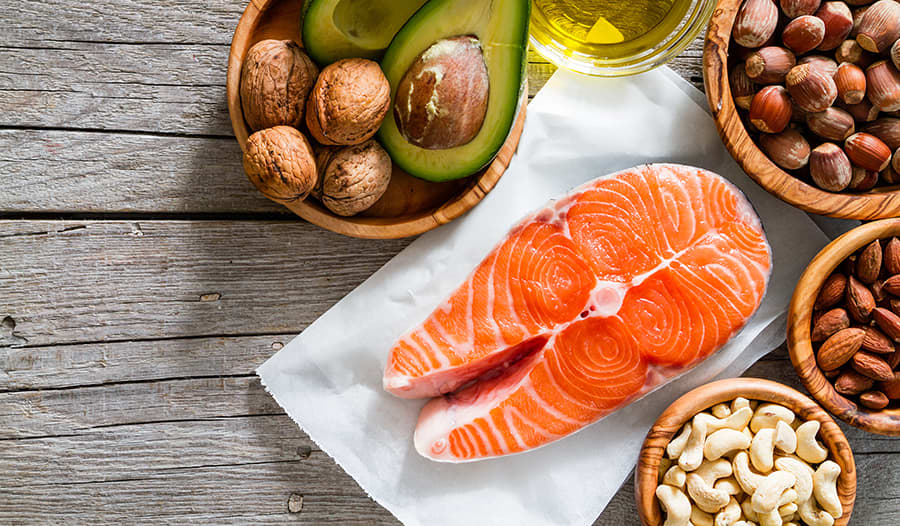
 Table of Contents